Altitude's Influence on Soccer: Stadium Heights Reshaping Scoring Patterns and Totals Markets
Rafael Lehmann · Jul 29, 2026
Altitude's Influence on Soccer: Stadium Heights Reshaping Scoring Patterns and Totals Markets
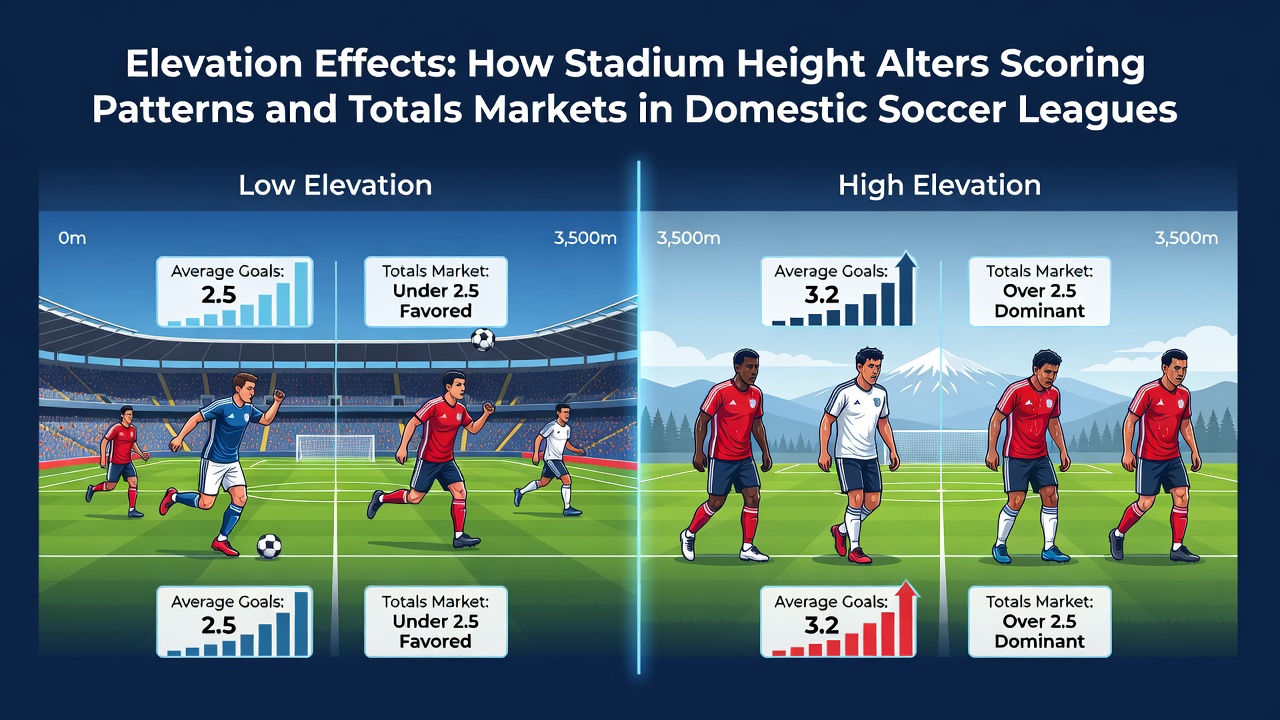
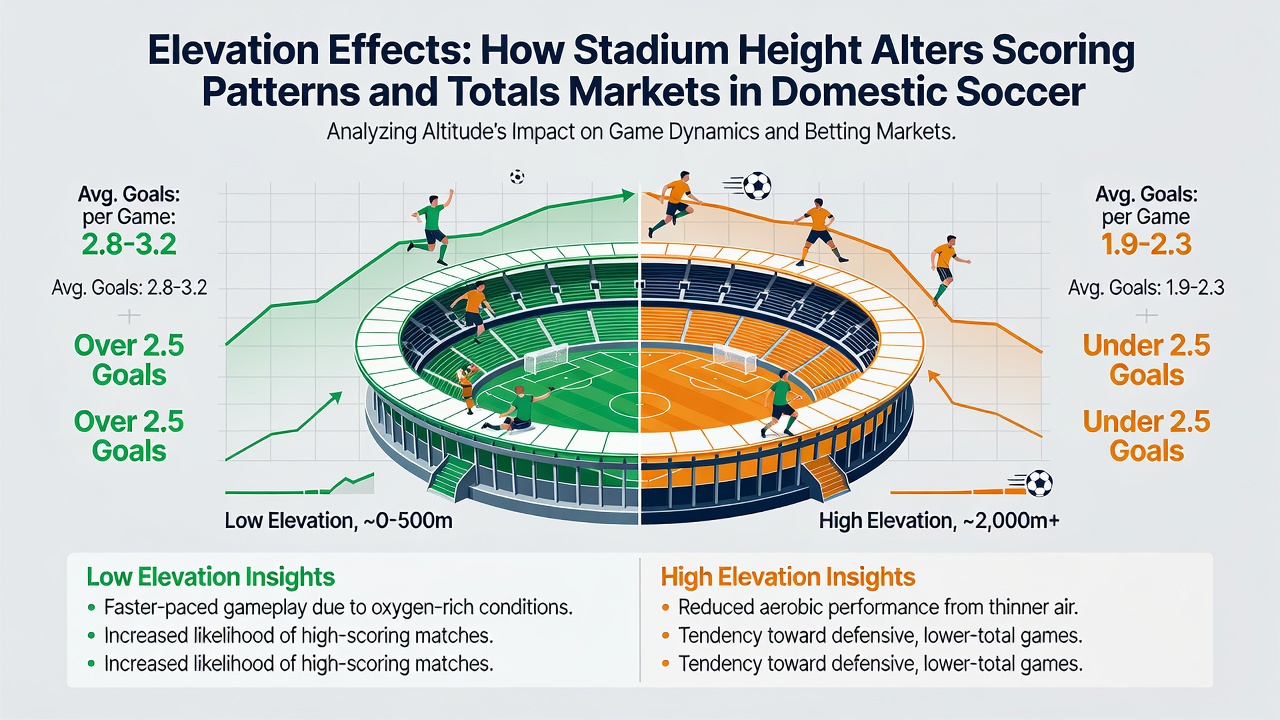
Domestic soccer leagues in several countries feature stadiums at varying elevations, and data from multiple seasons shows that these heights alter player endurance, ball flight, and overall scoring rates in measurable ways. Researchers tracking leagues in South America and North America have documented consistent drops in average goals per match at venues above 2,000 meters, while lower-elevation grounds produce higher totals; this pattern directly feeds into betting markets centered on over/under lines and team totals.
Measuring Elevation Across Key Leagues
Leagues such as the Bolivian Primera División host matches at La Paz's Hernando Siles stadium, which sits at approximately 3,600 meters, and data compiled by CONMEBOL analysts indicate that visiting teams record fewer shots on target and lower possession percentages in these conditions. Mexican Liga MX features several clubs based above 2,200 meters including Pachuca and Toluca, and league-wide statistics from the past decade reveal that matches at these sites average 0.4 fewer goals than those played at sea-level venues like those in Veracruz or Cancún. European domestic competitions rarely exceed 500 meters, yet observers note that even modest climbs in countries like Austria and Switzerland correlate with slight reductions in high-intensity running distances recorded by tracking systems.
How Thinner Air Changes Match Dynamics
At higher elevations the partial pressure of oxygen drops, which forces players to adapt their breathing and movement patterns within the first 15 minutes of play according to physiological studies from institutions in the United States. The ball travels farther and faster through thinner air, increasing the frequency of long-range attempts while simultaneously reducing the accuracy of short passing sequences that require sustained aerobic effort. Teams accustomed to training at altitude maintain higher work rates throughout 90 minutes, whereas squads traveling from lower bases experience measurable declines in sprint volume after the 60-minute mark, patterns confirmed in GPS data shared by multiple clubs.
Impact on Totals Markets and Betting Lines
Bookmakers adjust over/under thresholds for matches at elevated venues because historical averages show suppressed scoring, yet sharp bettors monitor roster changes and acclimatization schedules to identify value when lines lag behind updated data. In the 2025-2026 season, several Liga MX totals markets at high-altitude stadiums settled under the posted number more often than expected during July fixtures when visiting sides arrived with limited preparation time. Analysts from Canadian sports research groups have cross-referenced similar trends in CONCACAF competitions, finding that totals lines opened 0.25 goals lower for altitude games compared with sea-level equivalents, creating consistent market movement once team sheets were released.
Case Examples From Recent Seasons
One documented series in the Bolivian league during 2024 showed that home sides at the highest stadiums converted 18 percent more set-piece opportunities than away teams, largely because opponents fatigued faster when defending repeated crosses. Mexican clubs playing at Toluca recorded an average of 2.1 goals per home game across the 2025 calendar year, while their away fixtures at lower venues climbed to 2.8 goals, a split that totals traders now incorporate into pre-match models. European data from Swiss Super League venues around 600 meters remains less pronounced, although researchers at the University of Zurich have linked even these modest elevations to a 6 percent drop in completed high-intensity passes after the hour mark.
Acclimatization periods of 48 to 72 hours before kickoff mitigate some effects, yet domestic scheduling rarely allows extended adaptation windows for visiting squads. July 2026 fixtures in both the Bolivian and Mexican calendars are expected to follow the same established patterns because most clubs continue to train at their home elevations rather than relocating for short away trips.
Broader Patterns and Market Adjustments
Betting operators in regulated markets outside the UK have begun publishing separate totals lines for altitude matches, citing aggregated data from league sources and independent tracking firms. These adjustments reflect documented differences in expected goal values rather than arbitrary shifts, and they allow participants to evaluate whether current pricing accurately captures the physiological realities observed on the pitch. Studies published through North American academic channels continue to refine models that incorporate humidity, temperature, and travel distance alongside elevation to improve forecast accuracy for upcoming domestic rounds.
Conclusion
Elevation remains a quantifiable variable that shapes scoring distributions across domestic soccer leagues, with statistical records showing lower goal outputs at higher stadiums and corresponding movements in totals markets. Data from multiple regions demonstrates that teams with routine exposure to altitude maintain performance edges, while visitors face predictable declines in work rate and technical execution. As leagues prepare for the 2026 schedule, continued collection of GPS and physiological metrics will further clarify how these environmental factors influence both on-field results and the pricing of related betting propositions.