Dawn Workouts and Shadow Projections: Indicators of Equine Readiness in Flat Racing
Mara Koch · Jul 3, 2026
Dawn Workouts and Shadow Projections: Indicators of Equine Readiness in Flat Racing
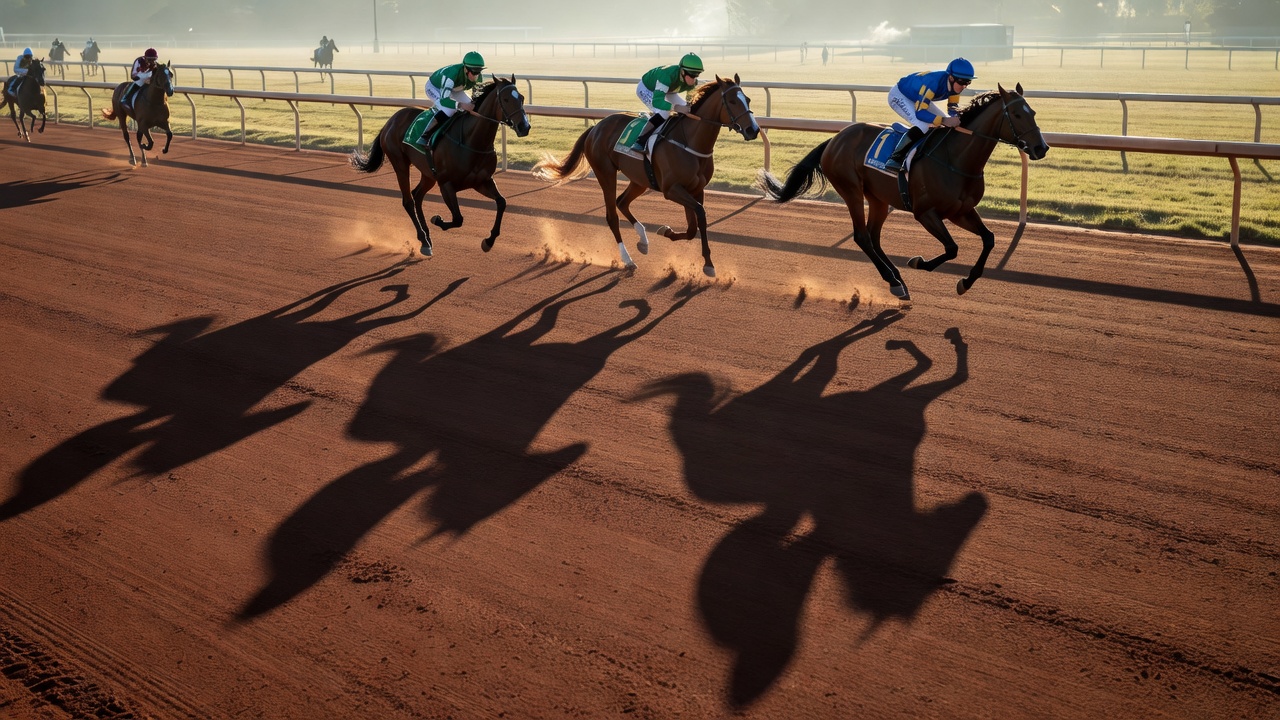
Trainers and analysts have long examined physical cues during early morning sessions on flat racing tracks, and shadow length patterns have emerged as one method for assessing equine movement and condition, because the angle of sunlight at dawn creates measurable projections that correspond to stride mechanics and posture. Observers at major training centres record these shadows alongside video footage, which allows them to compare daily variations in length and consistency across multiple horses.
Mechanics of Shadow Measurement in Training
Light from the rising sun strikes the horse and rider at a low angle during July sessions, producing elongated shadows that stretch across the turf, and analysts measure the distance from hoof to shadow tip while noting how these lengths fluctuate with each stride cycle. Data collection typically occurs on straight sections of gallops where consistent terrain minimises distortion, so researchers can isolate variables such as speed, head carriage, and limb extension. Equipment includes calibrated markers placed at fixed intervals, together with timing devices that synchronise shadow readings to specific points in the workout.
Studies from institutions like the University of Melbourne's Equine Research Centre have documented correlations between shadow elongation and stride length, because longer projections often align with extended forelimb reach when horses maintain balanced rhythm. Trainers review these figures after each session to track subtle shifts that might indicate improving fitness or emerging fatigue, and they cross-reference the information with heart rate monitors worn by the animals.
Patterns Observed Across Different Training Phases
Early in a preparation cycle, shadow lengths tend to show greater variability as horses build basic condition, whereas later stages produce more uniform projections that reflect refined muscle memory and coordination. One study tracking a cohort of three-year-old thoroughbreds found that consistent shadow symmetry appeared after approximately six weeks of progressive loading, and this coincided with improved sectional times on the same gallop. Analysts note that deviations in shadow length during the middle portion of a workout can signal compensatory movements, prompting adjustments to the training schedule before issues escalate.
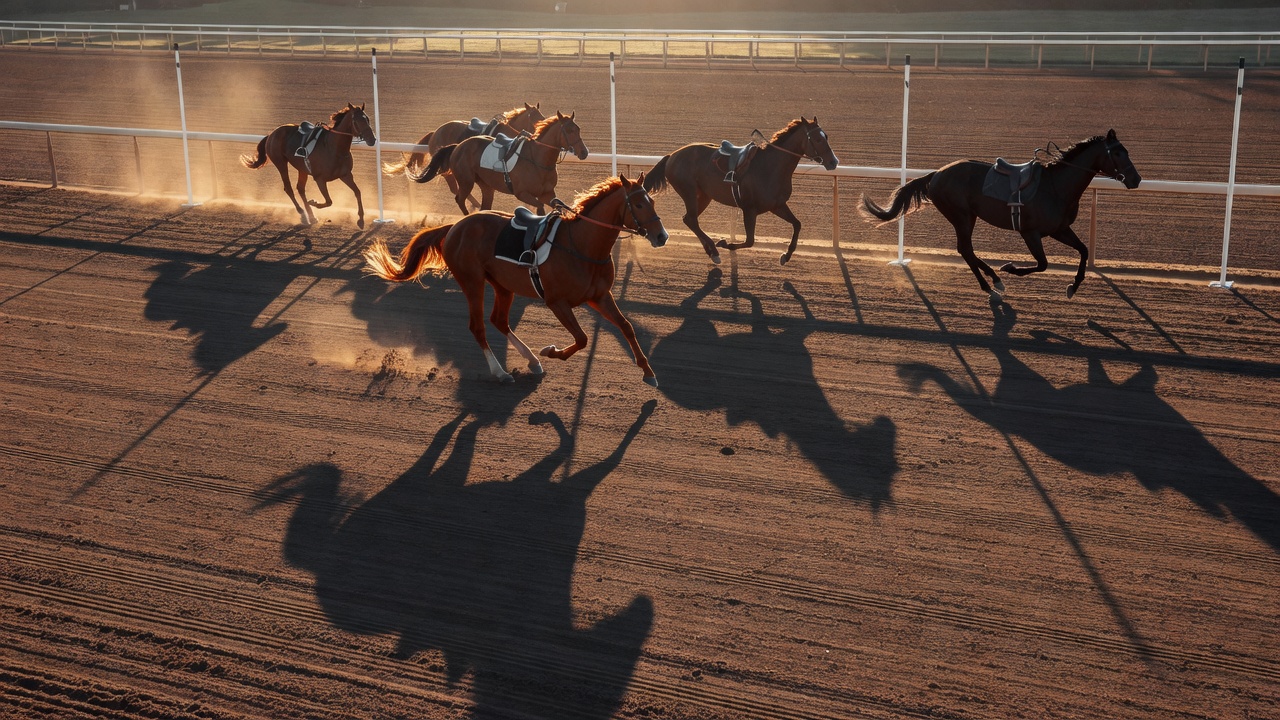
July 2026 brought extended daylight hours to northern hemisphere tracks, which extended the window for shadow analysis and allowed more detailed comparisons between successive workouts. Teams at several large stables incorporated drone footage to capture multiple angles simultaneously, and this approach revealed how lateral shadow drift corresponded to subtle changes in balance on turns. The additional data helped identify horses that maintained even projections even when asked for increased effort, a trait often associated with strong finishing ability on race day.
Integration with Other Performance Metrics
Shadow length information does not stand alone but combines with biometric readings and traditional clocking methods, because trainers require a full picture before deciding on entry targets. For instance, a stable might link a particular shadow pattern to recovery times recorded after breezes, and this integrated view supports decisions on whether to increase or ease the workload. Industry reports from the Jockey Club emphasise that such multi-source approaches improve the precision of preparation plans across different racing jurisdictions.
Regional variations also influence how these patterns are interpreted, since track surfaces and typical morning humidity affect shadow clarity on the ground. In drier climates, sharper shadow edges facilitate precise measurements, while softer conditions may require supplementary lighting or adjusted protocols. Analysts from the Australian Racing Board have shared protocols that adapt measurement techniques to local conditions, ensuring consistency when comparing international data sets.
Technological Advances Supporting Analysis
Software tools now process shadow imagery in real time, converting visual data into numerical outputs that trainers can review on tablets beside the gallops. These systems apply algorithms to filter out minor distortions caused by wind or uneven ground, and they generate trend graphs that highlight day-to-day changes in shadow metrics. Observers report that adoption of such technology has accelerated since 2024, with several large operations investing in portable setups that operate reliably in low-light dawn conditions.
Collaboration between data scientists and racing professionals continues to refine these methods, and joint projects explore how shadow data might eventually feed into predictive models for race outcomes. The focus remains on objective measurement rather than speculation, because repeated validation against actual performance remains essential for credibility within the sport.
Conclusion
Shadow length patterns offer trainers one additional layer of insight during morning flat racing workouts, and the approach continues to evolve alongside other analytical tools. As measurement techniques improve and data sets expand, the method provides consistent, repeatable information that supports informed preparation decisions across the racing calendar. Continued documentation in coming seasons will determine how widely these practices integrate into standard routines at different levels of the sport.