Illegal Betting Sites in UK Set to Flood Market with £1 Billion Ad Blitz by 2028
Mia Lange · Apr 26, 2026

Illegal Betting Sites in UK Set to Flood Market with £1 Billion Ad Blitz by 2028
The Surge in Black Market Betting
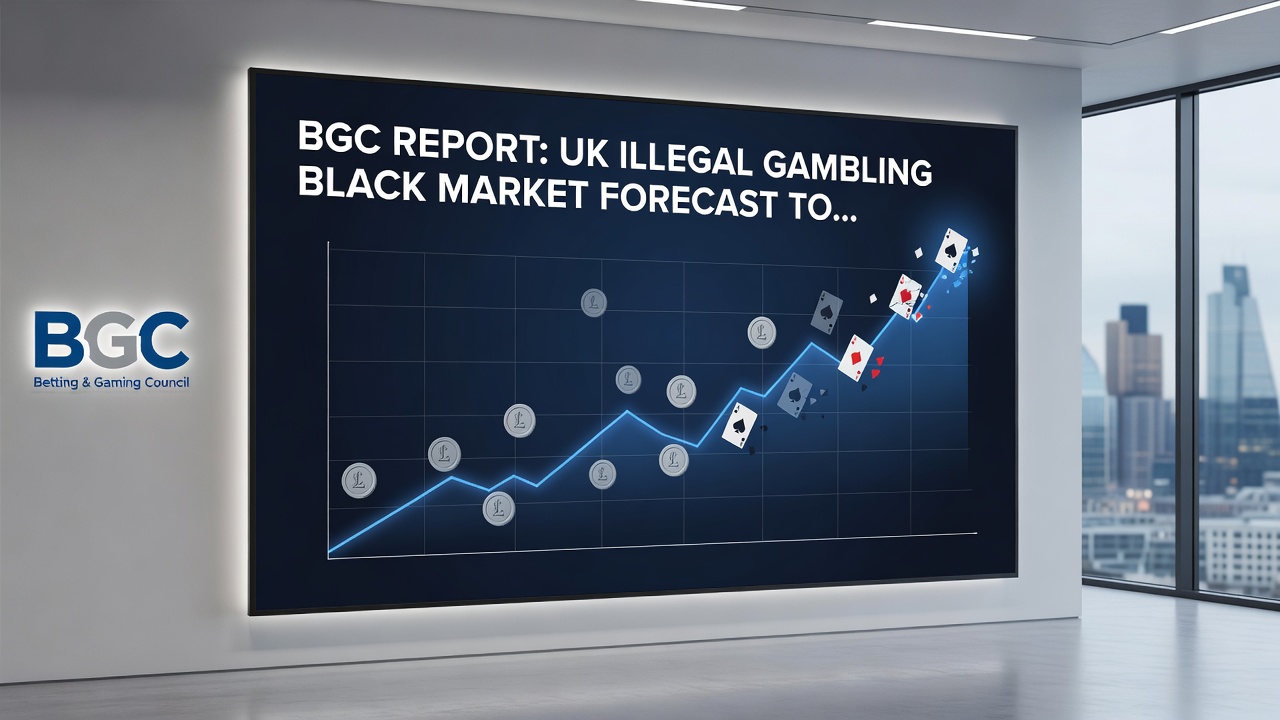
Illegal betting sites operating in the UK are on track to pour a combined £1 billion annually into advertising by 2028, eclipsing the budgets of their regulated counterparts, as the unregulated sector balloons amid recent policy shifts. Data from The Lines paints a stark picture: these offshore operators, free from UK oversight, ramp up marketing muscle while legal firms grapple with tighter rules. The black market's gross gaming revenue stands to hit £845 million by October 2026, fueled by a brisk 32% year-on-year growth rate that shows no signs of slowing.
Observers note how this expansion ties directly to changes in the regulated landscape; tax hikes on legal bookmakers squeeze margins, pushing some players toward unregulated alternatives that dangle bigger odds and fewer restrictions. And then there's the fresh wave of financial risk assessments rolled out by licensed operators, designed to flag problem gambling but often driving away casual bettors who find the checks intrusive or off-putting.
Take one typical punter navigating these waters: they log into a familiar site, only to face mandatory affordability quizzes or spending caps that feel like a buzzkill, so they drift toward slick black market platforms promising seamless action without the hassle. That's where the rubber meets the road for the industry's viability.
Drivers Behind the Black Market Boom
Recent tax increases hit regulated firms hard; the remote gaming duty climbed, layering extra costs onto operators already navigating a competitive field, which in turn prompts them to tighten belts on promotions and bonuses that once lured crowds. But here's the thing: while legal sites implement these financial vulnerability checks—mandatory under Gambling Commission guidelines starting in 2024—illegal outfits sidestep them entirely, offering unrestricted access that appeals to risk-tolerant players chasing high-stakes thrills.
Figures reveal the pace; the unregulated market's 32% annual growth outstrips anything seen in the licensed space, with ad spends projected to dwarf regulated totals by 2028 because black market operators pull from vast international pools unburdened by UK levies. Experts who've tracked this shift point to aggressive digital campaigns on social media, influencers, and even rogue affiliates that flood feeds with irresistible offers, all while evading blocks.
What's interesting is the timeline: by April 2026, midway through this forecast period, the black market could already command a significant slice of the pie, pressuring regulators to act before the £845 million milestone in October that year cements its dominance. And although enforcement ramps up, the sheer volume of sites—thousands strong—makes total disruption a tall order.
Risks Piling Up for Consumers and the Industry
Consumers venturing into these illegal waters face glaring dangers; without the safeguards of licensed operators, they encounter rigged odds, sudden account closures after big wins, and zero recourse when disputes arise, leaving deposits stranded in digital limbo. Data indicates that players on unregulated sites lack access to tools like self-exclusion or deposit limits, amplifying harms in a sector where addiction risks run high.
One case surfaces regularly in reports: a bettor lands a hefty payout on an offshore platform, only for the site to vanish overnight, funds gone without a trace; regulated firms, by contrast, must adhere to strict payout timelines and dispute resolution under UK law. That's the stark reality for the estimated millions dipping toes into black market pools, often unaware until it's too late.
The regulated sector feels the squeeze too; as illegal ads swamp the market, legal operators lose market share, with revenues potentially cratering if trends hold, threatening jobs and innovation in a industry that's poured billions into safer gambling tech. Gambling Commission disruption summaries highlight ongoing takedowns, yet the cat-and-mouse game persists, with new sites popping up faster than blocks can deploy.
Projections and the Path Forward
By 2028, that £1 billion ad war chest lets illegal sites dominate search results, app stores, and streaming overlays, crafting an illusion of legitimacy that snares novices and veterans alike; regulated budgets, capped by compliance costs, simply can't compete in volume. Research shows this outspending correlates directly with player migration, as flashy campaigns tout "no limits" betting during peak events like Premier League clashes or Cheltenham.
Yet regulators push back; enhanced payment blocking and international partnerships aim to starve these operations of UK funds, while industry groups lobby for tax relief to level the field. People who've studied the data emphasize how April 2026 marks a critical juncture, with mid-forecast growth potentially forcing policy pivots before the full £845 million unregulated revenue locks in by October.
Turns out, the growth trajectory hinges on enforcement efficacy; if disruption activities scale—blocking thousands of domains annually, as recent summaries detail—the black market's momentum could falter, buying time for reforms. But should ads keep flowing unchecked, the shift toward illegality accelerates, reshaping the UK's £15 billion betting landscape in ways that echo past black market eras in other vices.
Examples abound from enforcement logs: one major sweep shuttered dozens of sites mid-campaign, yet successors rebranded overnight, underscoring the hydra-like nature of the threat. Observers tracking affiliate networks note how payments in crypto or third-party wallets evade traditional freezes, keeping the ad machine humming.
Conclusion
The forecast of £1 billion in illegal betting ads by 2028 underscores a pivotal challenge for the UK gambling scene, where tax pressures and risk checks propel the black market toward £845 million by late 2026, endangering consumers sans protections and eroding the regulated pillar. Data from key analyses highlights the urgency, with 32% growth rates signaling trouble unless disruptions intensify and policies adapt. As April 2026 approaches, stakeholders watch closely, knowing the ball's in regulators' court to stem the tide before it overwhelms the legitimate trade.