Pit Lane Factors Reshaping Formula One Title Betting Markets
Greta Neumann · Jun 28, 2026
Pit Lane Factors Reshaping Formula One Title Betting Markets
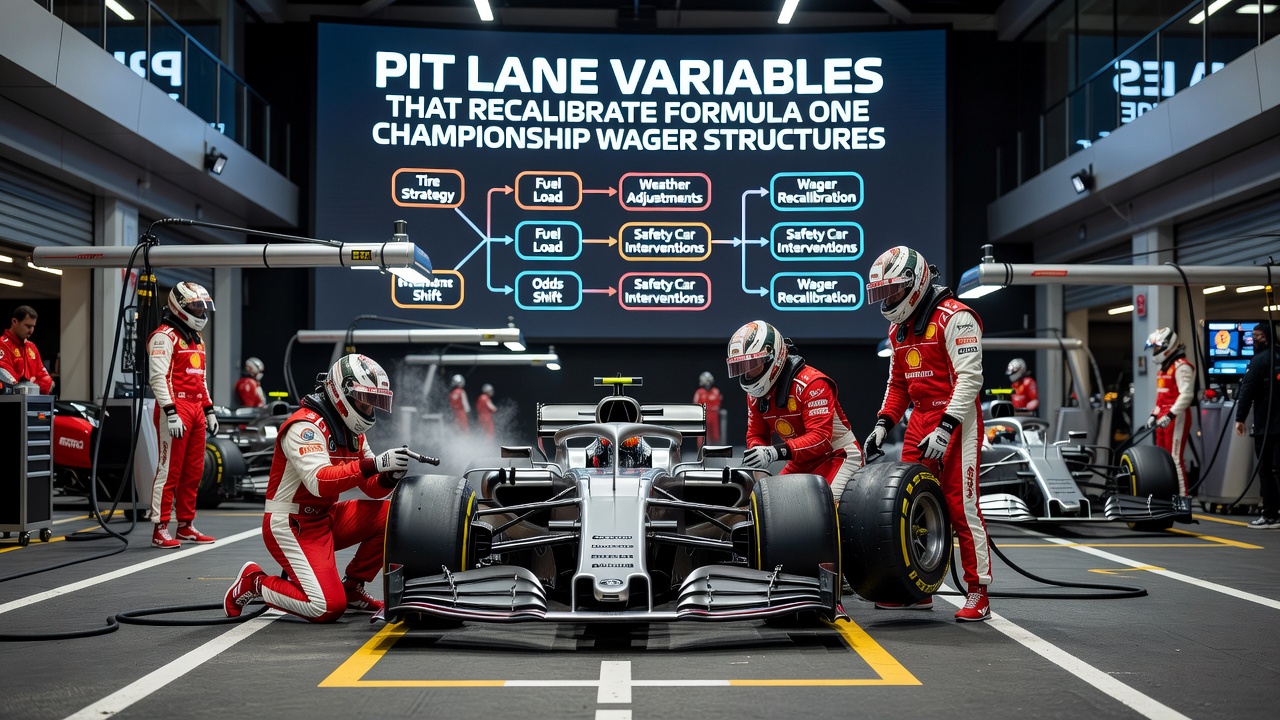
Formula One pit lane operations introduce multiple variables that directly influence championship standings and the associated wagering structures across global betting platforms. Teams execute tire changes, adjustments, and strategic calls under tight time constraints, and these decisions accumulate over a season to shift driver and constructor probabilities. Data from recent campaigns shows that pit stop efficiency often determines final championship margins, particularly in seasons where points gaps remain narrow entering the final rounds.
Core Pit Lane Variables and Their Championship Effects
Timing of pit stops represents one primary variable because teams must balance track position against tire degradation rates, and observers note that a poorly timed stop can drop a driver several positions while altering expected points totals. Tire compound selection adds another layer since compounds affect grip levels and durability over varying track temperatures, and analysts track how these choices recalibrate odds offered on individual race winners and season-long title contenders. Fuel loads, although fixed since refueling bans took effect, still interact with weight distribution during stops, which influences acceleration out of the pit lane and subsequent lap times.
Safety car periods and virtual safety car deployments create additional variables because they bunch the field and allow teams to pit without losing as much time, and historical records indicate that drivers who capitalize on these windows gain measurable advantages in championship calculations. Equipment reliability during stops, including wheel nut security and jack operations, also factors in since even minor delays compound across multiple events and force bookmakers to adjust live odds mid-season.
Data Patterns from Recent Seasons
Records compiled through 2025 demonstrate consistent correlations between average pit stop times and final championship positions, with squads posting sub-2.5-second stops securing higher percentages of available points. Teams that optimize these operations through simulation software and crew training see measurable shifts in pre-race betting lines, particularly when multiple drivers remain in contention. June 2026 approaches with regulatory updates under discussion, and early modeling suggests that any modifications to pit lane speed limits or stop protocols could further amplify these effects on wager pricing.
Researchers tracking telemetry data have identified clusters where championship contenders lost ground due to pit lane incidents, and these episodes prompted immediate revisions in odds structures across international markets. Constructors also feel the impact because team points totals depend on both drivers executing clean stops, and data sets reveal that consistent pit performance often separates title-winning squads from those finishing lower in the standings.
Betting Market Adjustments Driven by Pit Performance
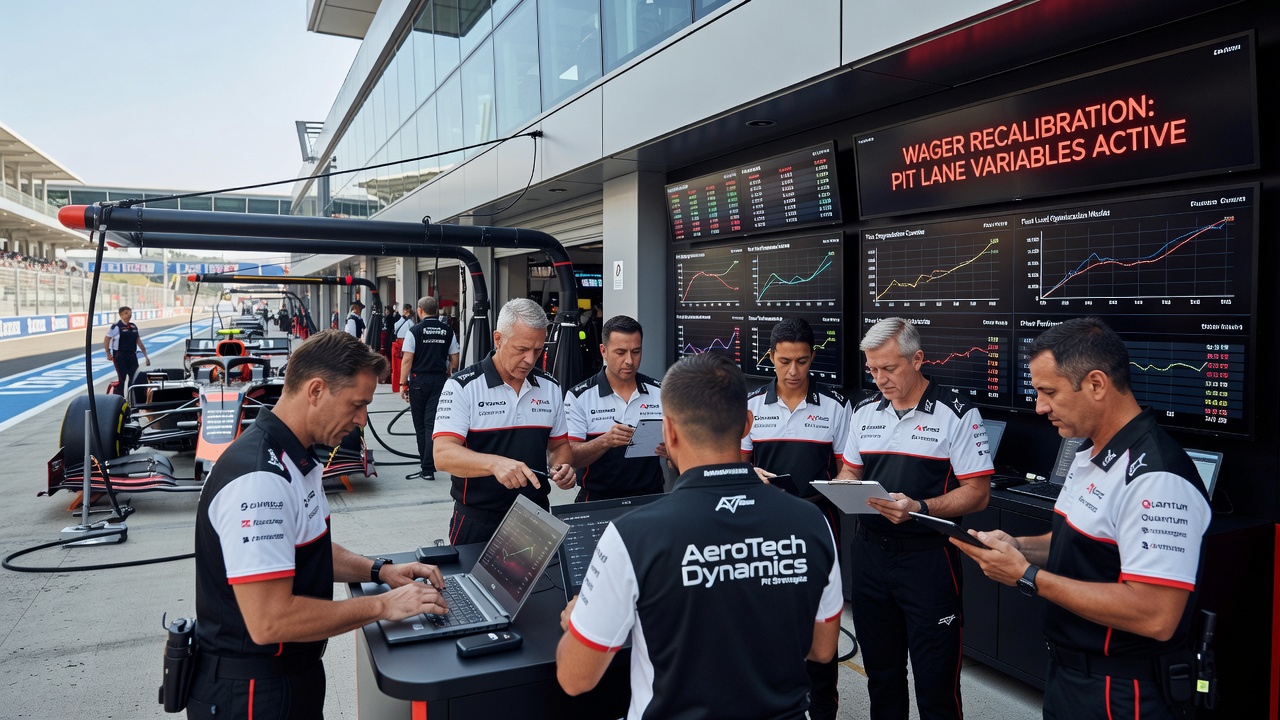
Bookmakers monitor pit lane metrics in real time and recalibrate championship futures accordingly, and platforms incorporate variables such as historical stop success rates alongside current form when setting lines. A driver with a strong pit record entering the final third of a season often sees shortened odds, while those with recent delays experience lengthening prices as probabilities adjust. Live betting during races incorporates these factors dynamically because a single stop outcome can alter projected season totals and trigger rapid market movements.
Industry reports from motorsport analytics providers confirm that pit lane efficiency now ranks among the top three variables cited by traders when updating title odds, alongside raw pace and reliability. External studies, including those referenced by the Fédération Internationale de l'Automobile, outline how standardized timing systems capture these metrics for regulatory review, which in turn feeds into public data sets used by betting operators. Another source from academic motorsport research at Loughborough University highlights correlations between stop variability and long-term championship volatility, showing how small deviations scale across twenty-plus events.
Strategic Implications for Championship Contenders
Teams employ dedicated strategists who model pit scenarios against expected safety car timings and weather shifts, and these preparations directly feed into the information that shapes pre-event wagering. Drivers who adapt quickly to changing conditions during stops maintain better championship trajectories, and records show that adaptability in the pit lane has separated multiple title winners in the past decade. Observers note that constructor rivalries intensify around these variables because double-points finishes require synchronized performance from both cars.
Season-long data aggregation allows for refined probability models that account for pit lane variables alongside track characteristics and opponent strengths, and these models underpin the odds frameworks presented to bettors. As the 2026 season nears, teams continue refining processes to minimize variance in stop outcomes, which maintains pressure on markets to reflect the latest performance indicators accurately.
Conclusion
Pit lane variables operate as continuous recalibrators within Formula One championship ecosystems because they influence both immediate race results and cumulative season totals. Teams, analysts, and market operators all track these factors through detailed telemetry and historical comparisons, and the resulting adjustments ensure that wager structures remain responsive to on-track realities. Continued evolution in pit protocols and data collection methods will sustain this dynamic relationship between operational execution and betting frameworks across future campaigns.