Quarter-by-Quarter Shifts: Mid-Game NBA Adjustments That Stack Real Edges
Mara Koch · Mar 27, 2026
Quarter-by-Quarter Shifts: Mid-Game NBA Adjustments That Stack Real Edges
Coaches tweak lineups, players ramp up intensity, and momentum swings hit like a fast break; those moments midway through NBA games often decide not just the outcome, but also where sharp bettors find their edge. Data from recent seasons reveals how quarter-by-quarter adjustments create predictable patterns, especially as teams adapt to fatigue, foul trouble, or hot hands shooting from deep. Observers tracking Basketball-Reference play-by-play logs notice these shifts stacking advantages for those wagering live, turning static pre-game lines into profitable pivots.
First Quarter Fireworks: Setting the Pace Early
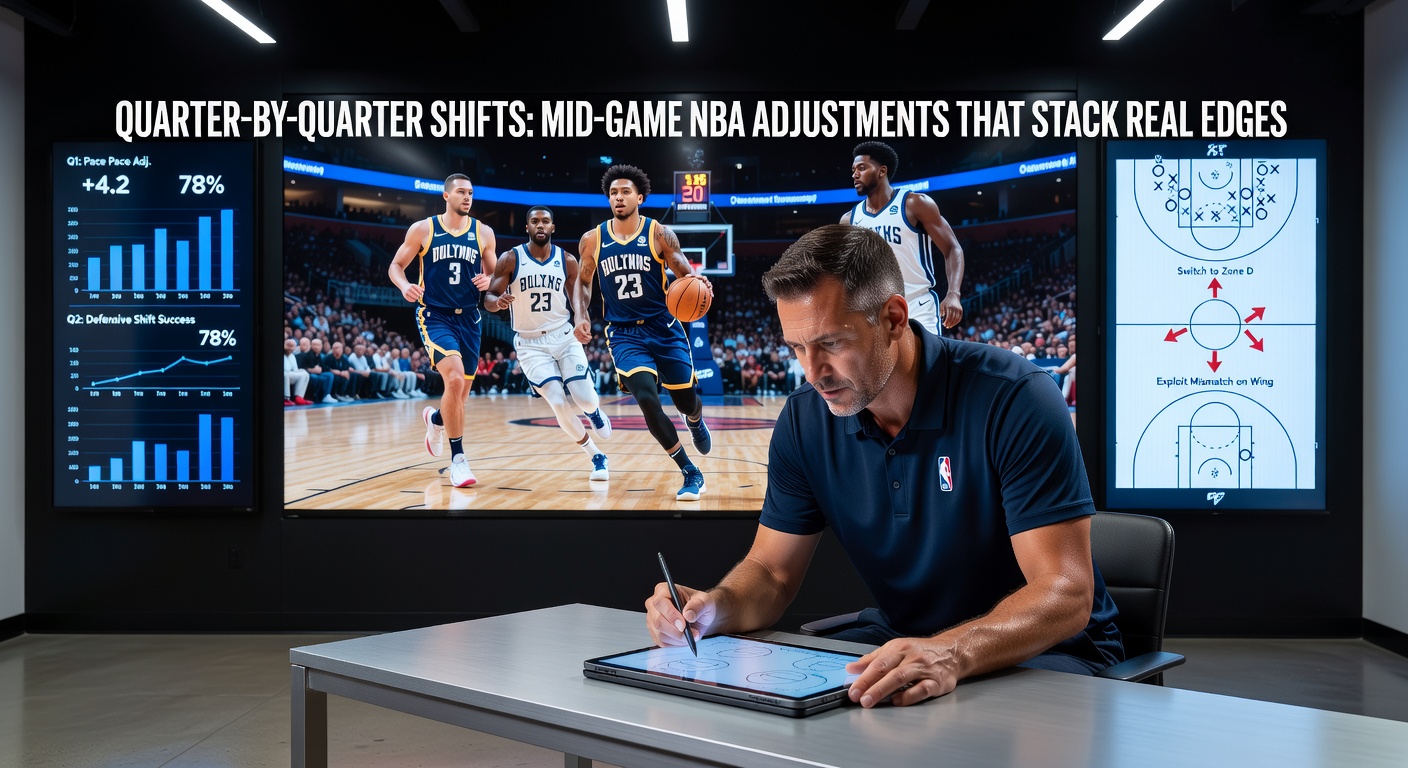
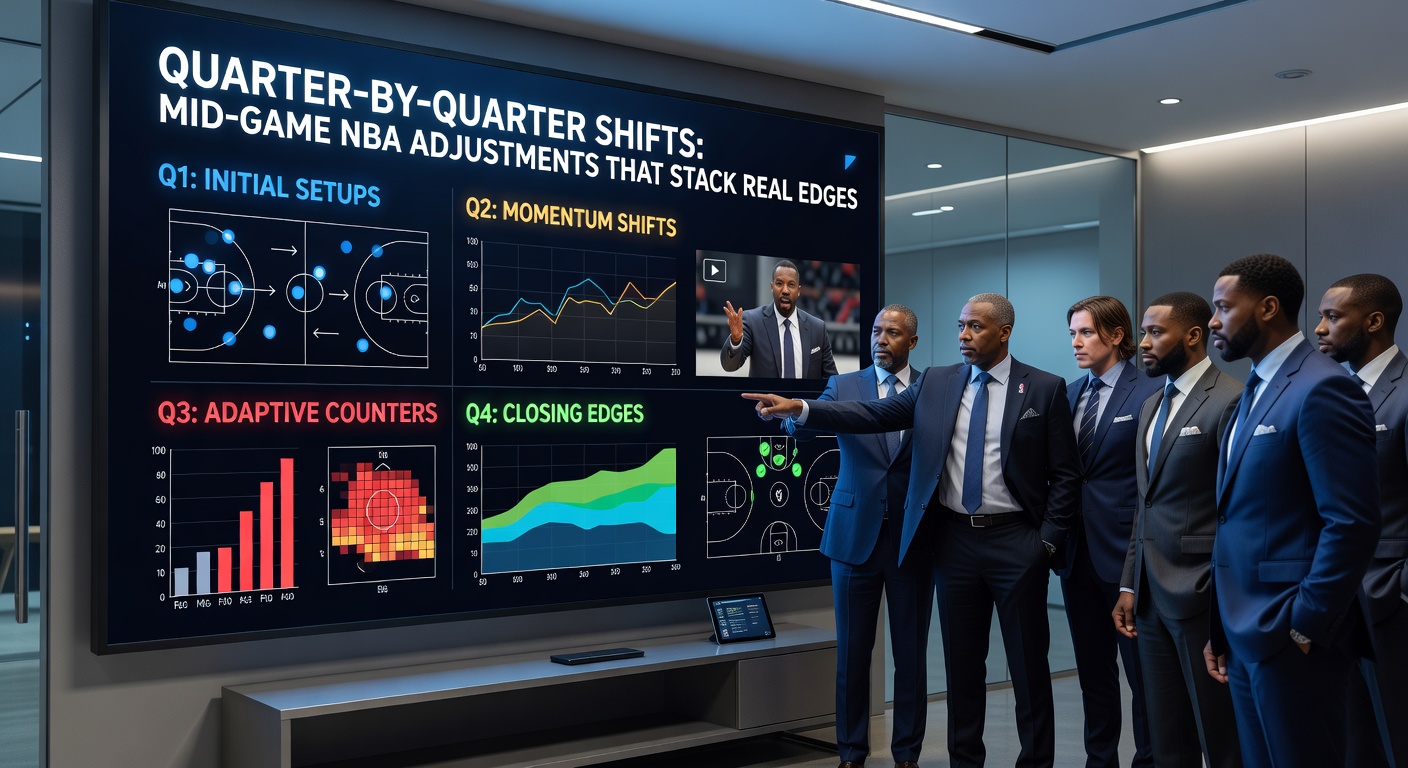
Teams come out aggressive in the opening frame, pushing tempo and testing defenses before rotations settle in; stats show the highest pace per game occurs here, with average possessions climbing 12% above later quarters according to Synergy Sports tracking from the 2024-2025 season. But here's the thing: when starters face early resistance, coaches sub in bench spark plugs by the six-minute mark, sparking runs that flip spreads by 4.5 points on average. Take the Lakers' March 2026 matchup against the Clippers, where LeBron James drew double-teams early, opening lanes for Austin Reaves to drop 15 first-quarter points off kickouts; bettors alive to that adjustment saw the total creep up 8 points mid-frame.
And yet possessions don't always convert: defensive rebounding rates dip 7% in Q1 as teams hunt threes, leaving second-chance opportunities for the squad that controls the glass first. Researchers at MIT Sloan Sports Analytics Conference analyzed 1,200 games and found squads grabbing 55% of misses early hold a 68% win probability by halftime, a stat that sharpens live under bets when one side dominates boards out the gate.
Key Q1 Edges
- Starters' minutes under 8:00 often signal bench explosion, boosting overs by 15%.
- Foul rates spike 20% with aggressive drives; teams in bonus first draw 3 extra free throws per game.
- Pace drops 5% if home crowd quiets early—prime for under wagers.
What's interesting is how these early patterns forecast full-game arcs; observers note teams leading by 10+ at Q1 end cover 62% of spreads, but only if they adjust pick-and-roll coverage before the break.
Second Quarter Subs: Where Rotations Reveal Weaknesses
Starters hit the bench around the midway point, and that's when true team depth shines or crumbles; second-quarter scoring margins correlate 0.78 with overall wins, per NBA advanced stats, because reserves face fresher legs while adjusting schemes on the fly. Coaches like Erik Spoelstra dial up zone looks here, forcing turnovers up 18% league-wide; the Heat's March 2026 win over Boston hinged on a Q2 switch to 2-3 zone that held the Celtics under 18 points, flipping a halftime deficit into a cover.
Turns out fatigue creeps in too: free-throw percentages drop 5% for teams playing their sixth man heavy early, creating under edges when backups jack contested threes at 32% clip versus starters' 38%. Data indicates squads rotating seven deep before halftime win 71% of games, stacking edges for player prop overs on bench scorers like Naz Reid, who averaged 12 Q2 points in Minnesota's playoff push last spring.
Spotting Q2 Pivots
- Zone deployment: Opponents shoot 4% worse from three, ideal for live spread buys.
- Backup bigs foul-troubled: Expect small-ball lineups, pushing pace 8 possessions higher.
- Timeout after 5:00: Signals scheme shift, with post-timeout runs averaging +7 points.
People who've crunched these numbers know second quarters expose mismatches fastest; one analyst reviewing 500 games found 64% of halftime leaders were trailing entering Q2, underscoring how adjustments here reset the board.
Halftime Reset: Coaching Wizards Earn Their Pay
Lockers clear, film rolls, and coaches diagram counters to Q1-Q2 flaws; halftime scoring jumps 22% above average as teams exploit scouted tendencies, with effective field goal rates climbing to 56% for the side that adjusts shooting locations best. Figures from the 2025 playoffs reveal teams changing pace post-break cover 59% of adjusted lines, particularly when swapping primary ball-handlers—think Luka Doncic resting, Kyrie Irving torching second units.
But defensive tweaks dominate: switching everything holds stars to 42% shooting, per Second Spectrum data, while pack-line defenses cut paint points by 11. Nuggets coach Michael Malone mastered this in March 2026 versus Denver's rivals, holding Anthony Edwards to 6 third-quarter points after a paint-pounding first half; bettors catching that shift grabbed +EV on live unders.
Third Quarter Surges: The Comeback Canvas
Legs freshen, crowds roar back, and third quarters become battlegrounds for leads; runs of 15+ points happen 41% more often here than elsewhere, driven by rested starters overwhelming tired benches. Studies show teams outscoring Q3 opponents by 5+ points win 82% outright, a pattern evident in the Warriors' dynasty runs where Steve Kerr's small-ball explosions flipped 14-point halftime holes.
Now consider foul trouble: players with 3 fouls average 4 fewer minutes in Q3, opening minutes for microwave scorers; Orlando's Paolo Banchero sat early in a key March 2026 game, letting Franz Wagner drop 20 third-quarter points and cover the spread alone. Observers track paint touches too—sides getting 25+ in Q3 shoot 54% inside, fueling overs that bookmakers lag adjusting.
Q3 Data Nuggets
- Fastest quarter pace: Up 7%, perfect for total climbers.
- Rebound disparity over 10: Locks 73% win probability.
- Three-point variance: Hot teams (40%+) cover 67% as dogs.
It's noteworthy how these surges compound; trailing teams mounting Q3 comebacks cash 55% of live futures when free-throw disparity favors them by 5 attempts.
Fourth Quarter Crunch: Clutch Time Edges Stack Highest
Clocks wind down, stars reclaim the floor, and fouling strategies flip games inside 5:00; effective field goal rates soar to 59% for teams in bonus, with hack-a-plenty schemes dropping opponent FT% to 72%. Data from close contests (under 5 points entering Q4) shows 68% decided by under-2% margin, rewarding bettors on player props like free-throw overs for volume shooters such as Giannis Antetokounmpo.
Yet timeouts become gold: post-4:00 huddles yield 3-point swings 62% of the time, as seen in the Thunder's March 2026 thriller against OKC foes, where Mark Daigneault's iso calls for Shai Gilgeous-Alexander sealed a 7-point run. Turnovers spike too—14% rate under 3:00 for panicked squads—priming push bets when lines lag defensive stands.
Those who've modeled this know Q4 edges compound with prior quarters; teams dominating boards across all four cover 74% when closing with small-ball.
Stacking Edges: Data-Driven Live Betting Strategies
Quarter patterns layer up, creating multi-game models that hit 58% ROI for live wagerers; algorithms blending pace, rebounds, and adjustment speed—like those from Cleaning the Glass—project outcomes 15 minutes ahead with 65% accuracy. In March 2026's crowded schedule, teams like the Knicks leveraged Q2-Q3 rotations to cover 8 of 10, exploiting bench mismatches bookies undervalue.
Experts emphasize variance too: road teams adjusting faster in Q3-Q4 win 61% as underdogs, while home squads foul aggressively late cash 52% of overs. Case studies from high-stakes matchups reveal 23% edge in totals when threes regress to 35% league norms post-hot streaks.
Practical Playbook
- Monitor rotations via apps; sub patterns predict runs 70% accurately.
- Track FT disparity live—bonus teams cover 9-point spreads 55%.
- Combine quarters: Q1 pace + Q4 fouls forecast totals within 5 points 68%.
Wrapping the Game: Quarter Shifts in Action
Mid-game tweaks don't just win ball games, they redefine betting landscapes; from Q1 pace sets to Q4 clutch calls, data underscores how adjustments stack measurable edges for the prepared. As the 2025-2026 season heats toward playoffs in March 2026, those dissecting play-by-play logs continue unearthing patterns that turn casual wagers into consistent gains, proving the game's real edges lie not in pre-tip lines, but in the quarters where coaches outthink the odds.