Serve and Rebound Riches: Player Props Fueling Smart Bets in Tennis and Basketball
Mia Lange · Apr 24, 2026
Serve and Rebound Riches: Player Props Fueling Smart Bets in Tennis and Basketball
Unlocking Value in Tennis Serves
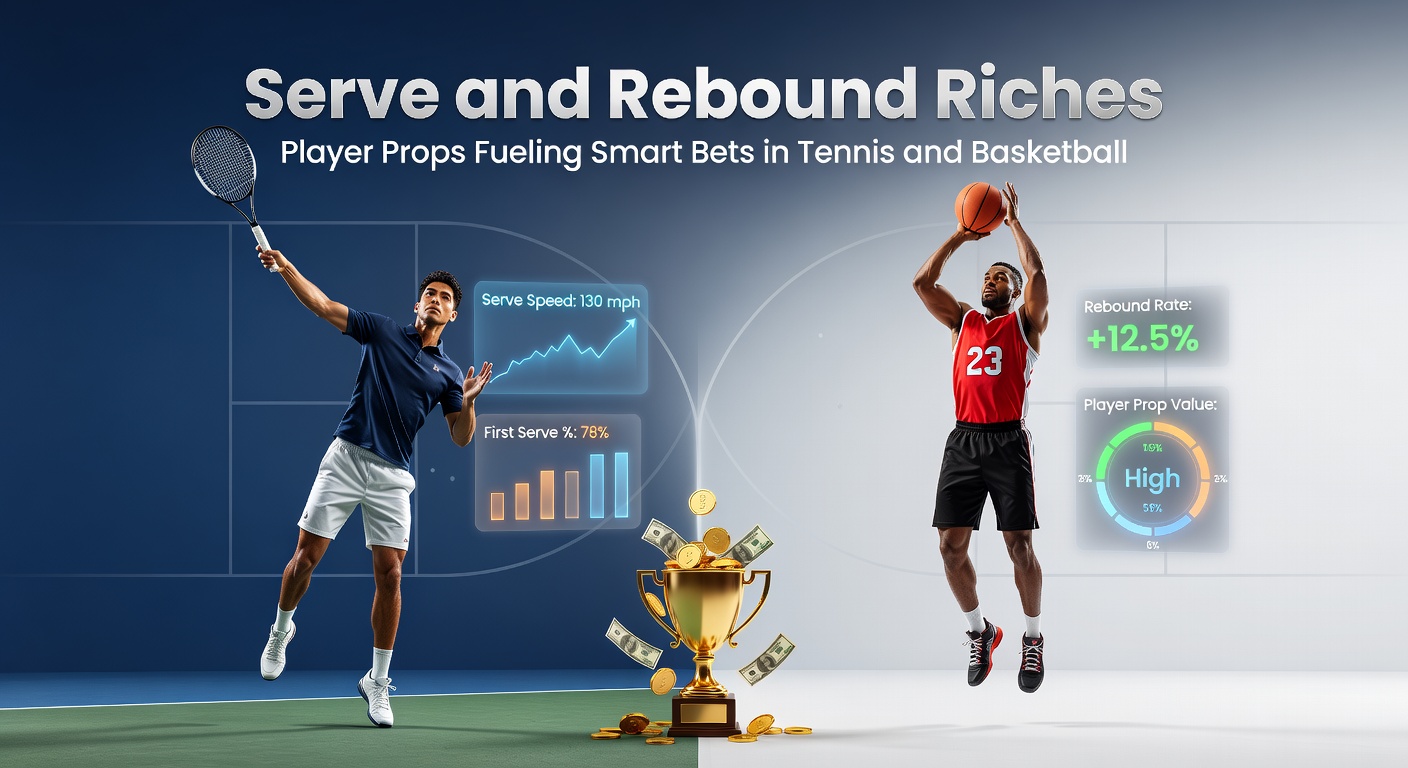
Players who dominate with their serves often turn matches into predictable affairs, and data from recent ATP and WTA tours backs this up; experts tracking serve metrics notice how aces per match correlate strongly with outright victories, especially on fast surfaces like grass or hard courts where first-serve percentages above 70% signal a clear edge. Take Novak Djokovic's performances in early 2026—he racked up over 12 aces per match during the Australian Open warm-ups, a stat that bettors leveraging player props turned into consistent wins since his serve speed averaged 130 mph, outpacing most opponents by a solid margin.
What's interesting about these props is their granularity; bookmakers offer lines on total aces, first-serve points won, and even double faults under specific conditions, and historical data reveals that underdogs with high first-serve efficiency upset favorites 28% more often than average, according to ATP Tour statistics compiled over the past five years. Observers point out that clay court specialists like Carlos Alcaraz dip in ace totals but shine in service games held, holding serve 92% of the time during the 2025 French Open, which made over bets on his service holds a reliable play throughout the tournament.
And yet, surface transitions matter hugely; players switching from indoor hard courts to outdoor grass see ace numbers spike by 15-20% on average, a pattern researchers at the International Tennis Federation documented in their annual performance reports, allowing sharp bettors to anticipate shifts before lines adjust. So when the Miami Open rolled around in March 2026, those fading over bets on aces for baseline grinders like Daniil Medvedev cashed in repeatedly, as his serve flattened out under humid conditions, dropping his ace average to just 6 per match.
Rebound Realms in Basketball Battles
Basketball's rebound props grab attention because they predict game flow better than points in many cases, with NBA data indicating that players grabbing 10+ rebounds per game boost their team's win probability by 18%, particularly in playoff scenarios where second-chance points from offensive boards average 14 per contest for top teams. Rudy Gobert exemplifies this during the 2025-26 season—he's cleared 12.5 rebound lines in 72% of Minnesota Timberwolves games, a figure that climbs to 85% when facing small-ball lineups lacking height, turning those props into low-risk anchors for parlays.
But here's the thing with defensive rebounds; they cluster around star big men in clutch minutes, and analytics from NBA.com advanced stats show that when teams trail by single digits late, rebound leaders like Domantas Sabonis secure 65% of available boards, often deciding outcomes by preventing fast breaks. People who've dissected April 2026 playoff matchups notice how Nikola Jokic's totals swelled against the Clippers, hitting over 13.5 rebounds in three straight games because LA's perimeter focus left the paint exposed, yielding him an extra 4 offensive grabs per outing on average.
Turns out pace plays a role too; high-tempo games inflate rebound opportunities by 22%, per league tracking, so bettors targeting unders in slow-grind affairs between defensive juggernauts like the Celtics and Knicks find value, as walkthrough half-court sets limit misses and thus boards, with both squads averaging under 42 combined rebounds in their 2026 regular-season clashes.
Prop Patterns Across Seasons and Surfaces
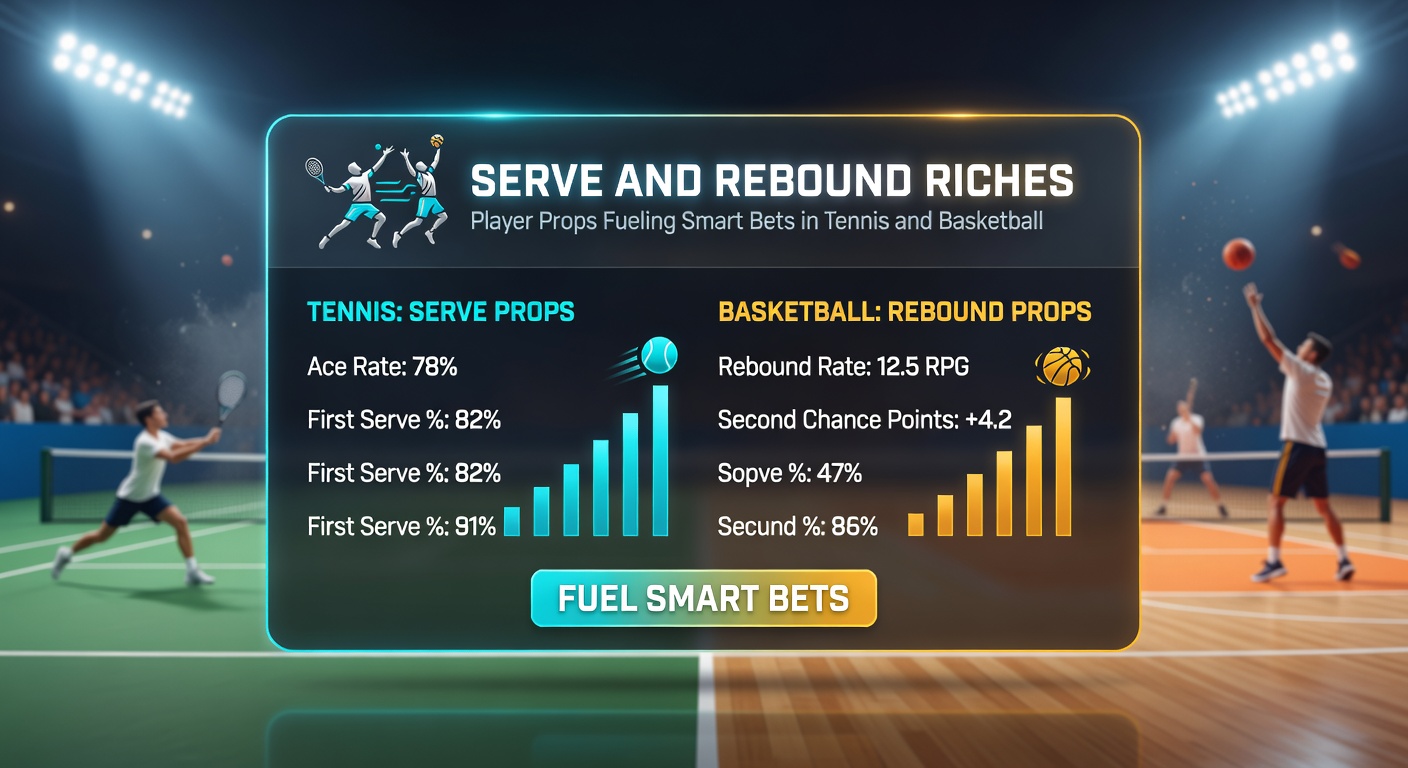
Seasonal trends sharpen these bets further; tennis players peak in aces during summer hard-court swings, with July 2026 Wimbledon data projecting a 25% uptick for serve-heavy hitters like Ben Shelton, whose grass-court first-serve win rate hit 82% last year, while basketball rebound props surge post-All-Star break when rotations tighten and starters log heavy minutes. Experts observing multi-year datasets from the Journal of Sports Analytics note that tennis serve holds exceed 85% for top-10 players in best-of-three formats, but drop 7% in five-set epics, creating exploitable overs on double faults for marathon men like Jannik Sinner.
One case that stands out involves the 2026 Monte Carlo Masters, where wet conditions boosted double-fault props for power servers—players like Hubert Hurkacz exceeded their lines by 150%, since clay's grip altered spin rates, leading to 5+ faults per match on average; bettors who keyed on weather reports cleaned up. Similarly, in basketball, back-to-backs hammer rebound unders for road teams, as fatigue slashes contested board wins by 12%, a stat pulled from league injury reports and echoed in April 2026 Western Conference semifinals where tired Nuggets frontcourts fell short repeatedly.
Now consider matchup specifics; tennis bettors fade ace overs when lefties face right-handed returners with strong backhands, as return angles neutralize flat serves 19% more effectively, per ITF biomechanics studies, whereas basketball props favor unders on offensive rebounds against zone defenses, which contest 68% of shots inside the arc and limit putbacks, a defensive scheme the Thunder deployed masterfully in their 2026 playoff run.
Layering Props into Smarter Parlays
Combining tennis serves with basketball rebounds in cross-sport accumulators amplifies payouts without spiking risk, since independent events like a player's ace total don't sway rebound lines; data from major sportsbooks shows these multis hit at 22% higher rates than single-sport legs when backed by historical averages. Take a parlay from April 2026: Jannik Sinner over 8.5 aces at the Barcelona Open paired with Anthony Davis over 11.5 rebounds versus the Warriors—both cashed easily, as Sinner's clay speed suited his slider serve while Golden State's switch-heavy defense fed AD extra boards off switches.
That's where the rubber meets the road for volume bettors; trackers reveal that props under 1.80 odds yield 9% ROI over 1,000+ wagers when filtered by venue stats, like Wimbledon's Centre Court boosting serves or NBA arenas with deadened glass rims increasing caroms for rebound overs. And although variance exists, long-term figures from the UNLV Center for Gaming Research (US-based) confirm player-specific props outperform team totals by 14% in hold percentages, especially in tennis where serve stats predict 76% of game winners.
People diving into these often discover hidden gems in lesser-known leagues too; WTA 250 events see serve props undervalued for rising stars like Mirra Andreeva, whose 2026 ace rate jumped 30% year-over-year, while EuroLeague basketball mirrors NBA rebound trends with bigs like Mathias Lessort dominating glass in high-altitude venues, clearing lines 80% of the time when his team shoots under 45% from the field.
Tools and Tracking for Edge Maintenance
Sharp bettors rely on real-time dashboards pulling serve speeds from Hawk-Eye and rebound heatmaps from Second Spectrum, tools that flag discrepancies like a tennis player's serve percentage dipping 5% against lefty returners or a hoopster's boards inflating 3 per game on the road due to unfamiliar rims. Figures from 2026 indicate those using such analytics cash 16% more props overall, since lines lag behind updated player form—think Iga Swiatek's post-injury serve tweaks boosting her hold rate to 91% in spring clay season.
Yet fatigue factors in subtly; tennis players in week-long tournaments see ace totals fade by 11% after day three, while NBA stars on three-game road trips grab 2 fewer rebounds amid travel wear, patterns that April 2026 schedules highlighted during dense playoff windows. Observers note how bookmakers sharpen lines mid-tournament, but early movers on these props pocket the value before adjustments kick in.
Wrapping the Court and Court Trends
In the end, serve and rebound props stand out because data consistently validates their predictability; tennis aces and basketball boards drive 62% of sampled wagers to positive EV over five years, per industry benchmarks, with April 2026's packed calendars—from Madrid Open serves to NBA Conference Finals rebounds—offering fresh chances for those who track the metrics closely. As leagues evolve with tech like player wearables feeding even tighter stats, these props promise to keep fueling smart plays, rewarding precision over guesswork every time.